IV Therapy for Arizona Heat and Dehydration

Heat, sun and a long day outside can leave you drained. A registered nurse can bring fluids and electrolytes to your home, hotel or office.

Serving the Phoenix metro since 2016, 9 AM to 9 PM daily.
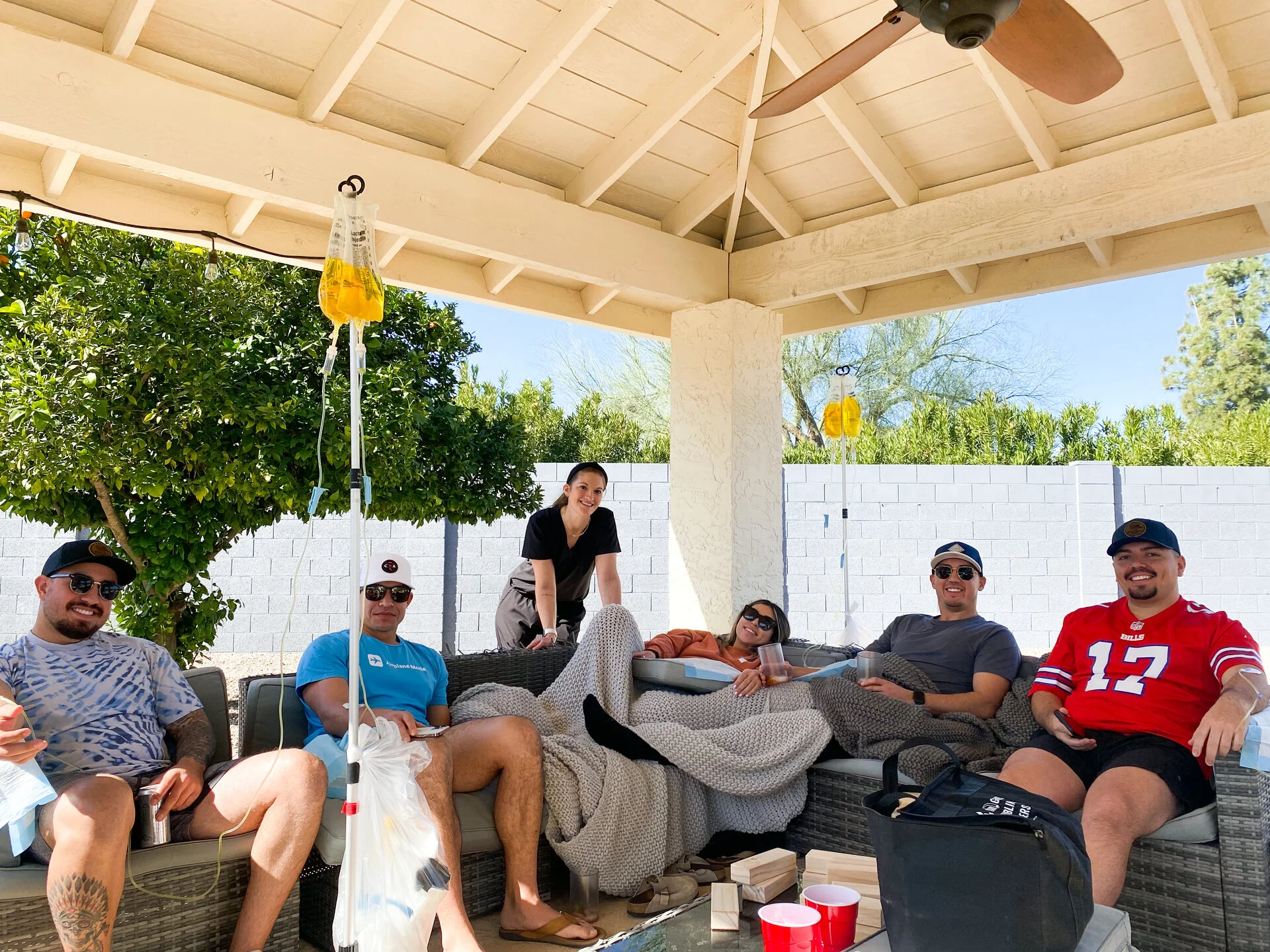
Friends on a shaded Phoenix patio under a wooden pergola, each on a drip, grinning at the camera with blue sky and desert trees behind

Heat-related dehydration in Arizona is not just being thirsty. It happens when your body loses water and electrolytes faster than you can drink and absorb them, which in Phoenix summers can happen in a single afternoon on the golf course, on a South Mountain hike, or standing on a pool deck. The common myth is that chugging a bottle of water fixes it, but once you are meaningfully dehydrated, your stomach absorbs slowly and often rejects large volumes at once, especially if you already feel nauseous.

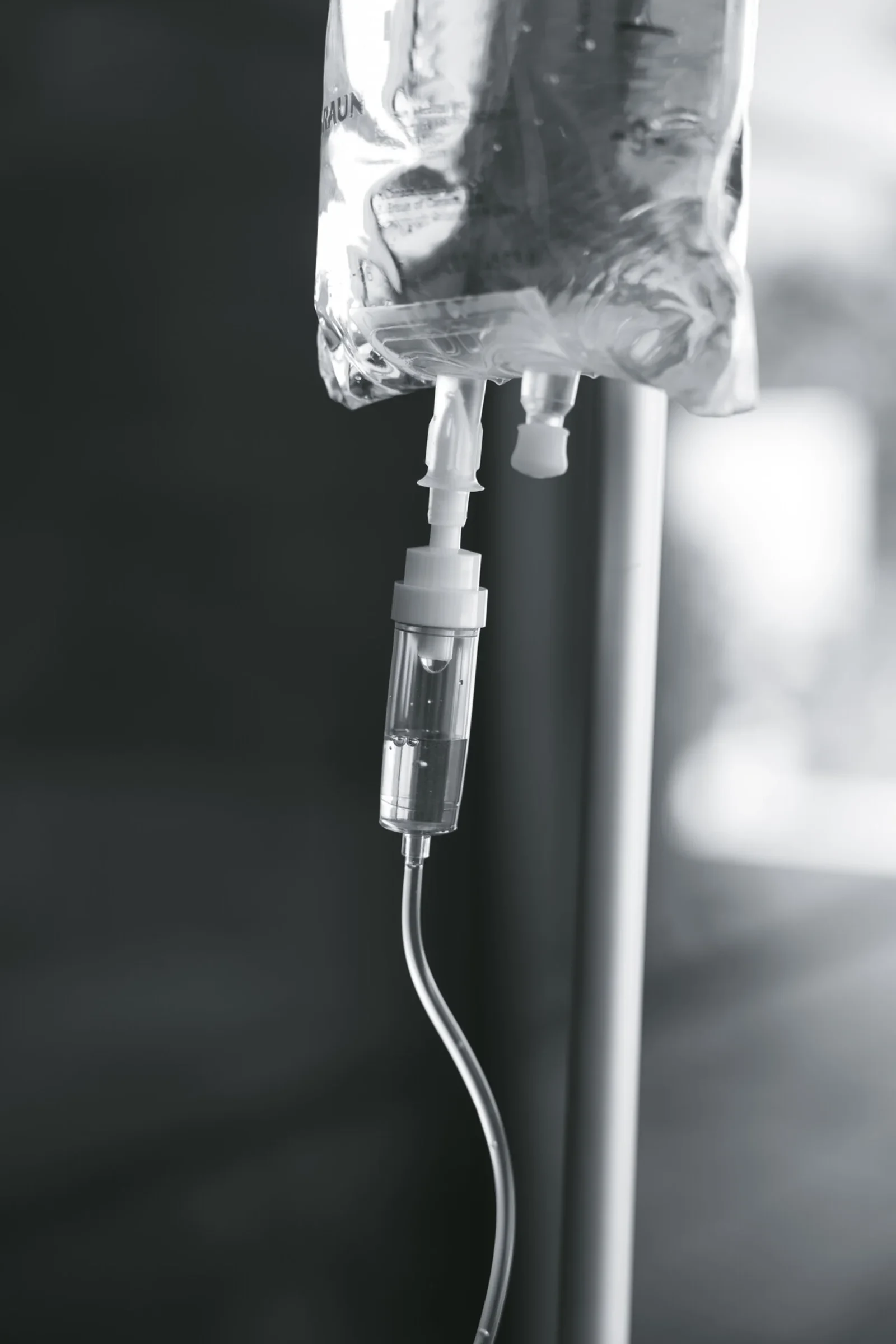
There is a more complete way to rehydrate. IV fluids bypass the gut entirely. A liter of balanced electrolyte solution goes straight into circulation, delivering the water and minerals your body has been asking for directly to your bloodstream. A shot of B vitamins and magnesium can be added to support recovery from a hot day in the desert.

$150
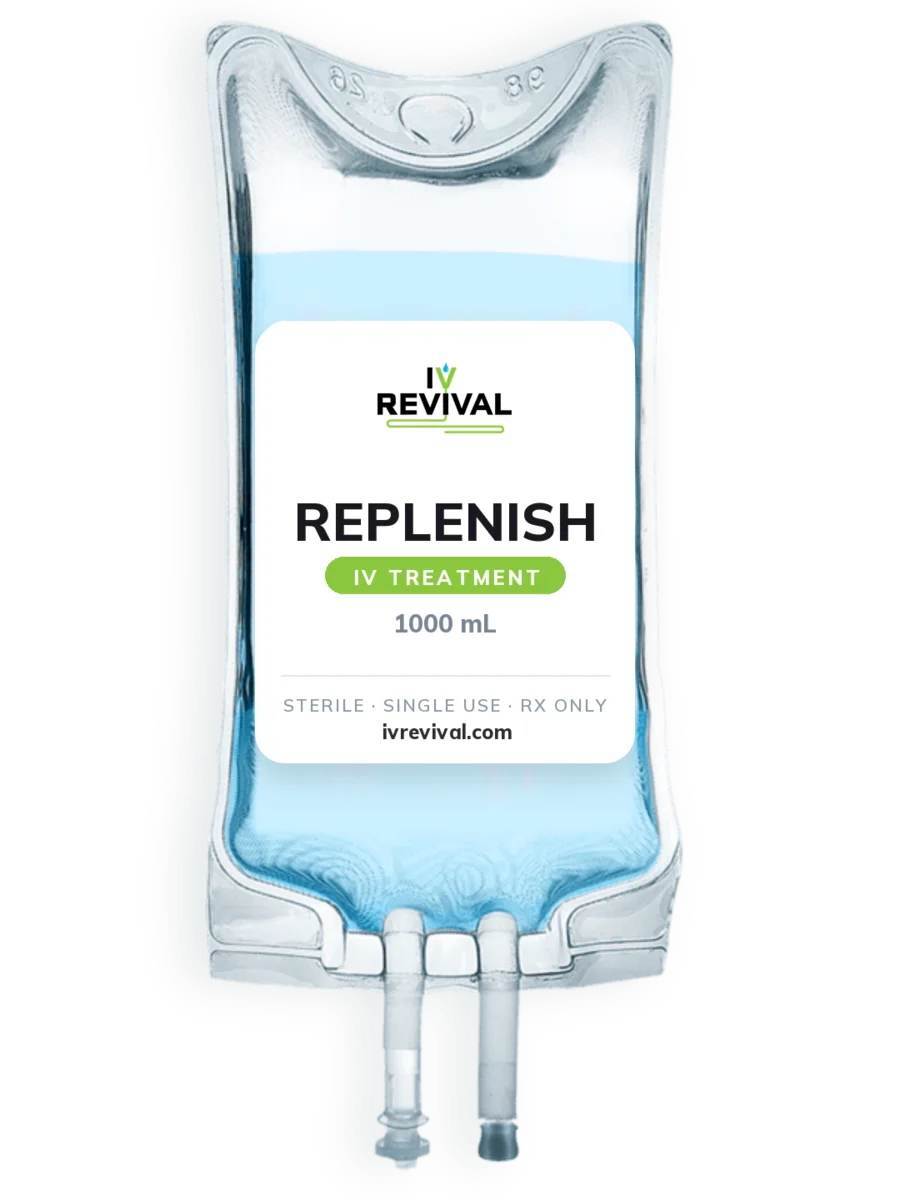
Replenish IV, recommended for heat
30 to 60 min
for most drips, at home
9 AM to 9 PM
seven days a week
Since 2016
Registered Nurses only
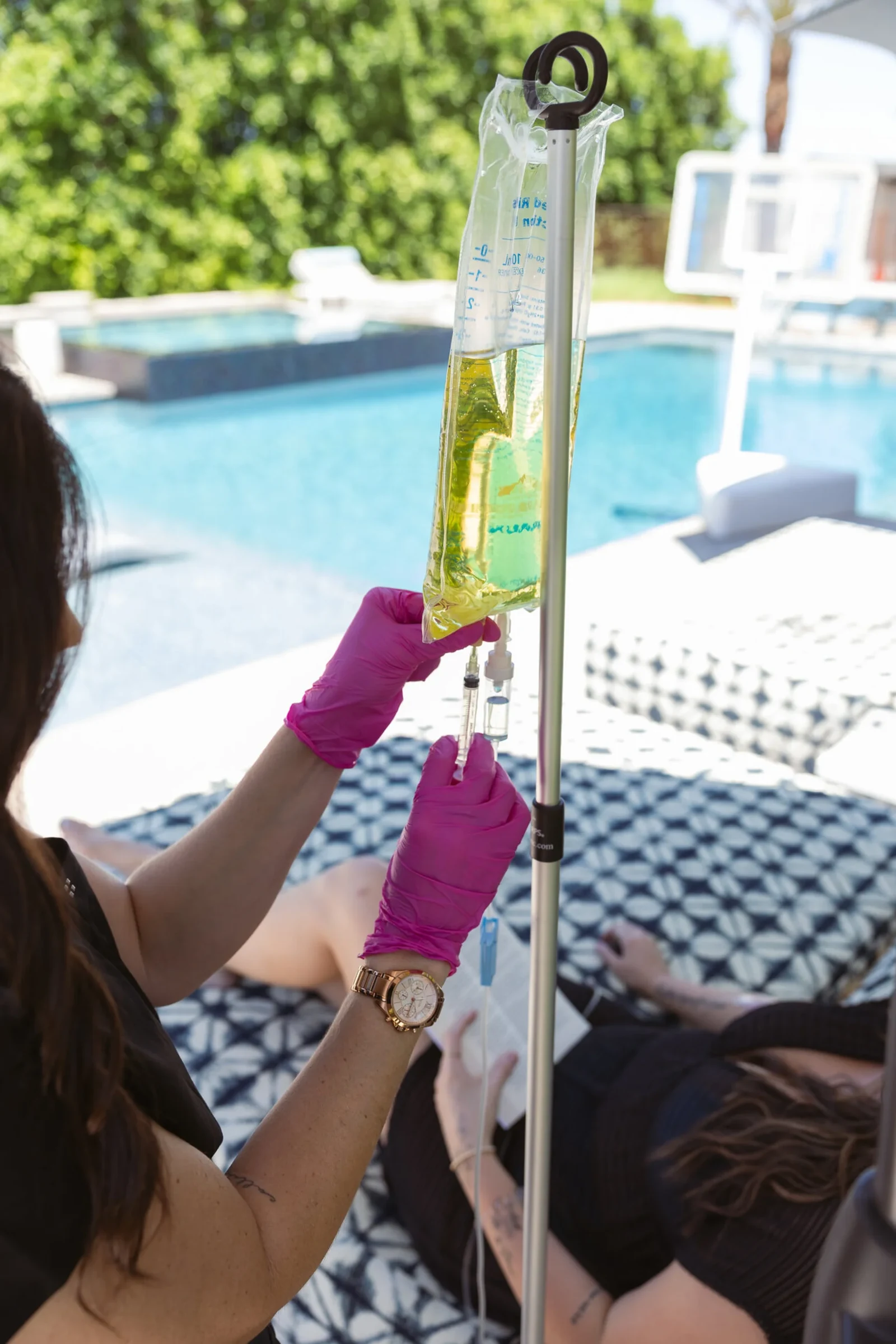
A nurse in pink gloves checking a hanging bag beside a swimming pool on a bright Phoenix afternoon

What's Actually Happening

Arizona heat and dehydration is rarely caused by one thing. It is a stack of small losses that add up over hours in the sun, and each one has to be corrected for you to feel like yourself again.

Fluid lost to sweat

Sweat is the body's main cooling system, and in 105 to 115 degree heat you can lose more than a liter of it per hour without noticing, because it evaporates off your skin almost instantly in Arizona's low humidity.

Read moreShow less

That fluid is not pure water, it carries sodium, chloride, potassium and magnesium with it. As blood volume drops, your heart has to work harder to move a smaller amount of blood, which triggers the lightheaded, weak, fast-heartbeat feeling of early heat exhaustion.

Electrolytes running low

Electrolytes are what let your nerves fire and your muscles contract and relax cleanly.

Read moreShow less

When sodium and potassium fall, you get headaches, brain fog and that heavy, slow feeling. When magnesium falls, calf cramps, foot cramps and eyelid twitches show up, often hours after you came inside. Plain water alone can actually make this worse by diluting what electrolytes you have left.

Your body starts rationing water

As you get dehydrated, your kidneys release antidiuretic hormone and aldosterone to hold on to whatever water and sodium are still in circulation.

Read moreShow less

Urine turns dark, you stop sweating as efficiently, and core temperature climbs. This is the point where heat exhaustion can tip toward heat illness, and it is also the point at which drinking more water is no longer fast enough on its own.

B vitamins drained

B vitamins are cofactors your cells use to turn food into usable energy.

Read moreShow less

Heat stress, poor sleep after a hot night, and skipped meals during a long day outside all drain them. That is a big part of why you feel wiped out the day after a Phoenix pool party even once you have started drinking again.

Alcohol, caffeine and diuretics

Alcohol at a barbecue, caffeine from a morning coffee, and prescription diuretics all increase urine output on top of what the heat is already doing.

Read moreShow less

Combine any of those with an afternoon outside and the deficit at the end of the day is larger than most people realize.

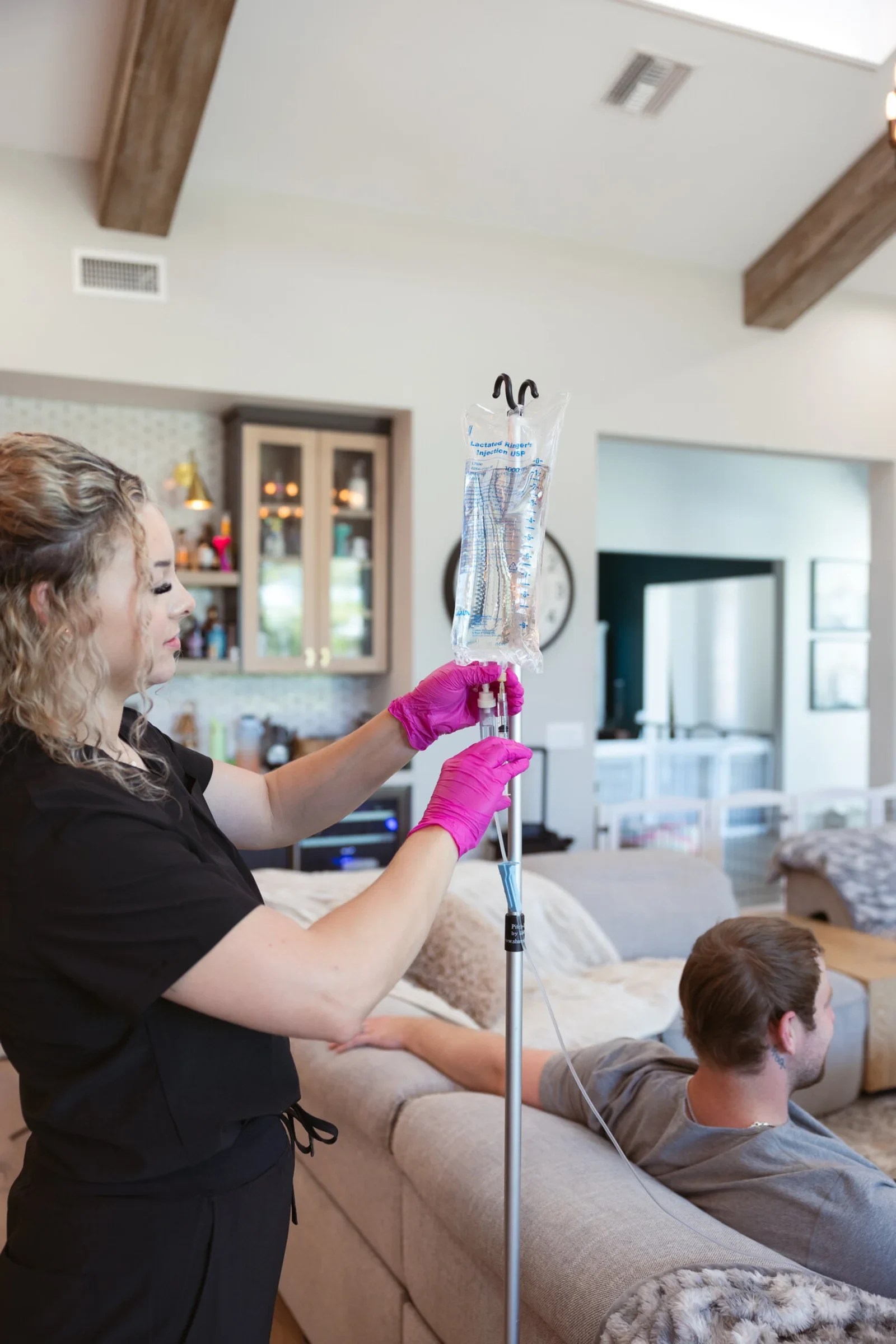
A sun-flushed woman in her mid thirties sits sideways on a cream linen sofa in her Scottsdale living room, still in a dusty hiking tank and shorts, hair damp at the temples from a rinse.

Common Arizona Heat and Dehydration Symptoms

Symptoms often start subtly during time outside and peak a few hours later, once you are back indoors and your body finally has a chance to register the deficit. Many people wake up the next morning still feeling drained, headachy and crampy, which is a sign the fluids and electrolytes never fully caught up.

  • Thirst and dry, sticky mouth
  • Headache or pressure behind the eyes
  • Fatigue and heaviness
  • Dizziness or lightheadedness when standing
  • Muscle cramps in calves, feet or hands
  • Dark yellow urine or going less often
  • Nausea or loss of appetite
  • Fast heartbeat or feeling flushed
  • Brain fog and trouble concentrating
  • Feeling drained the day after time outside

When to seek emergency care: confusion, fainting, a body temperature above 103 F, hot dry skin with no sweating, repeated vomiting, or a seizure. These are signs of heat stroke and require 911, not IV therapy.

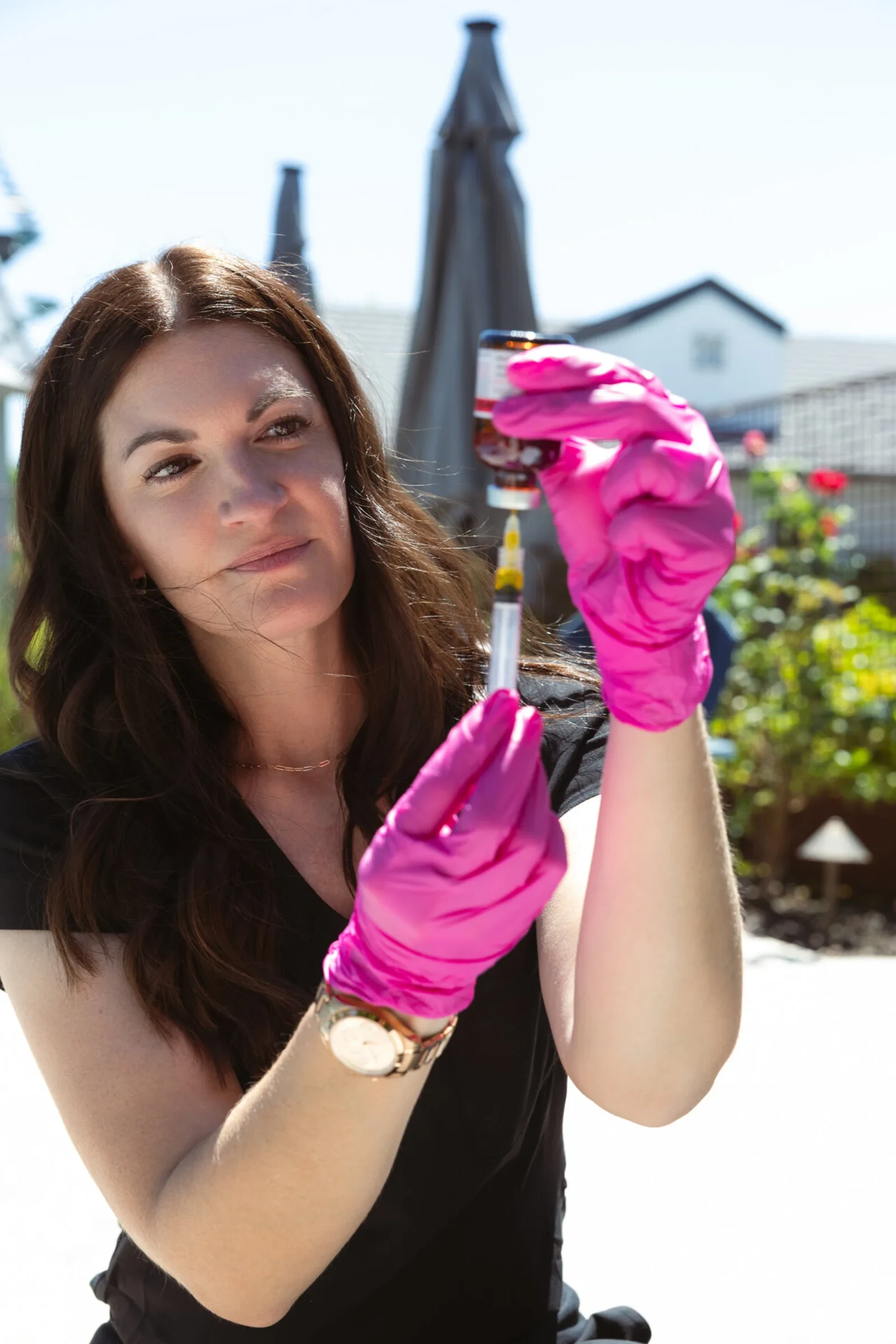
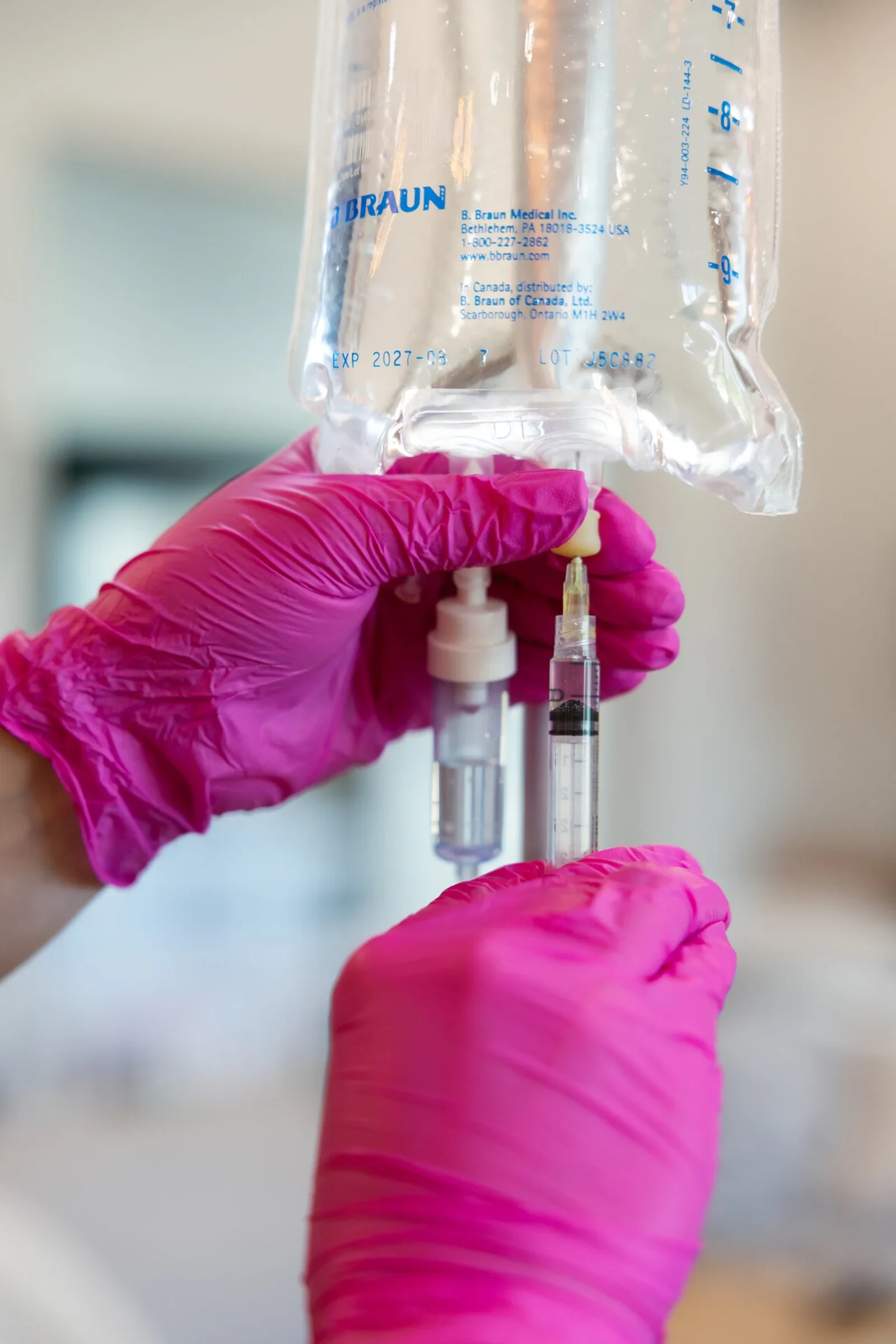
Gloved hands adding vitamin pushes to a one-litre bag before it goes up on the stand

How IV Therapy Helps

IV therapy for Arizona heat and dehydration works because it corrects several problems at once instead of one at a time. Fluids restore blood volume, electrolytes restart normal nerve and muscle function, and targeted vitamins address the fatigue and cramping that plain water leaves behind.

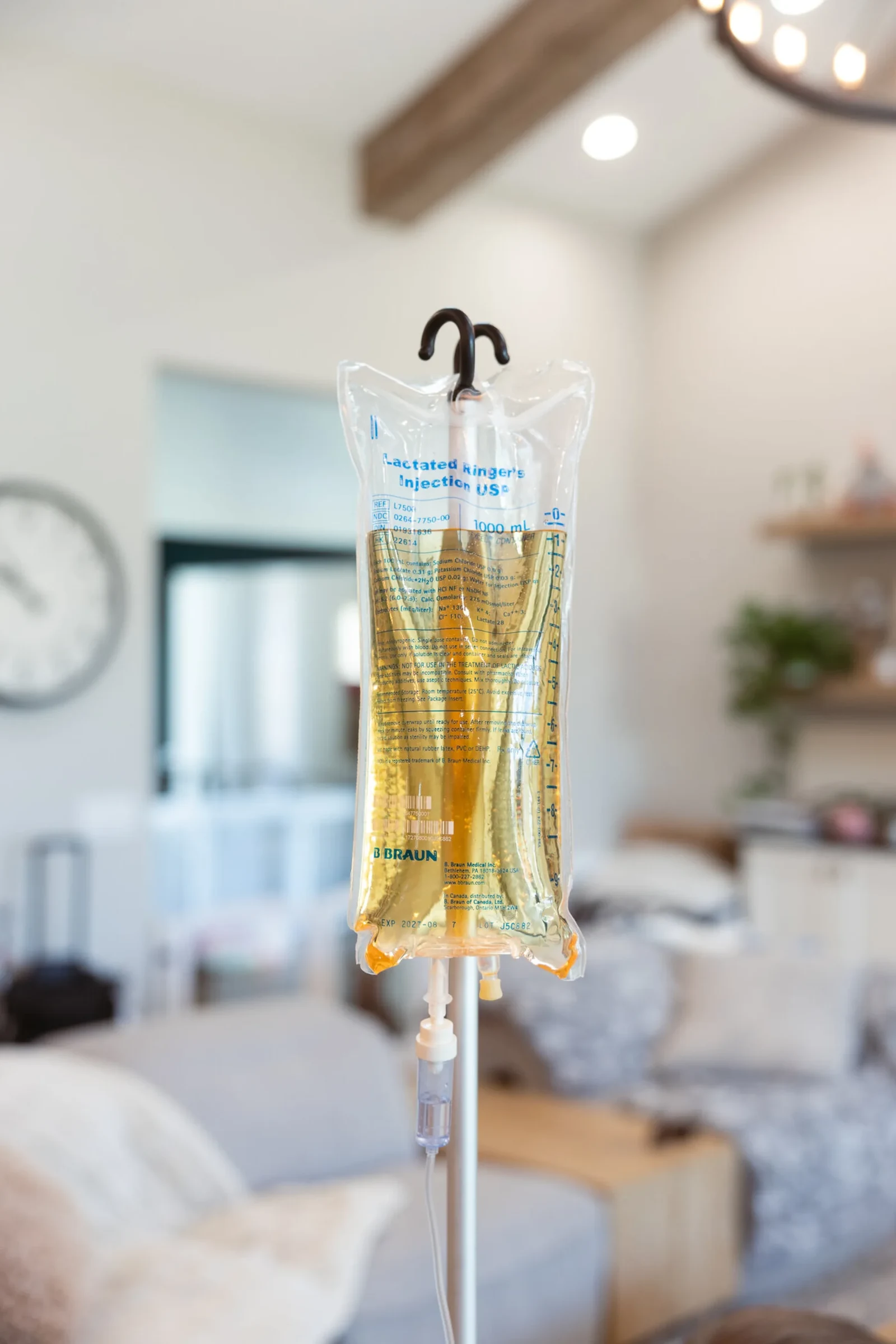
IV Fluids (Lactated Ringer's)

IV Fluids (Lactated Ringer's)

A balanced crystalloid that contains sodium, potassium, calcium and lactate in ratios close to your own blood. It rehydrates you directly into the bloodstream, bypassing the slower process of drinking and absorbing fluids through the gut.

Electrolyte Replacement

Electrolyte Replacement

The sodium, potassium and chloride in the bag replace what you sweated out during the day. These minerals support normal nerve and muscle function that low blood volume and low sodium can disrupt.

Magnesium (add-on)

Magnesium (add-on)

Magnesium is the mineral most often behind the calf cramps, foot cramps and jaw tension people feel after a long day in the heat. Given through an IV it is delivered directly to the bloodstream.

Vitamin B12 and B-Complex

Vitamin B12 and B-Complex

B vitamins are the cofactors your cells use to produce energy. Replacing them supports recovery from the drained, wiped-out feeling that lingers after heat exposure.

Nausea Support (add-on)

Nausea Support (add-on)

If the dehydration has left you queasy, a nausea medication can be added to the drip to help settle your stomach. How people respond varies.

Arizona Heat Remedies Compared: What Actually Works?

Most people try the same handful of fixes after a hot day outside. Here is what each one actually does and where it falls short.

OptionReplaces lost fluidReplaces electrolytesSkips the stomachAdds B vitamins
Chugging Water
Why

Water is the right idea but the wrong delivery system once you are already meaningfully dehydrated. Your stomach absorbs slowly, large volumes often trigger nausea, and plain water without electrolytes can further dilute the sodium you have left, which can actually worsen headaches and cramping.

Slowly✕✕–
Sports Drinks and Electrolyte Powders
Why

Better than water because they add sodium and potassium, but they still rely on your gut to absorb them, and most are loaded with sugar that can slow gastric emptying when you are queasy. They help mild cases but are not fast enough for someone who is already headachy, cramping and drained.

SlowlySome✕–
Over-the-Counter Pain Relievers
Why

Ibuprofen and similar medications can dull a dehydration headache but they do nothing to replace the fluid or electrolyte deficit driving it. Taken on an empty, dehydrated stomach they can also be hard on the kidneys, which are already working overtime to conserve water.

✕✕✕–
Coffee or Energy Drinks
Why

Caffeine can mask the fatigue briefly but it is a mild diuretic, meaning it pulls even more water out through the kidneys. You end up feeling alert and then more drained than before, without addressing the underlying loss.

✕–✕–
An IV drip at home✓✓✓✓

IV therapy is the only option that replaces fluids, electrolytes and B vitamins directly into the bloodstream at the same time, bypassing the gut entirely.

When Should You Get IV Therapy for Heat and Dehydration?

Anytime the deficit from time outside is bigger than what you can reasonably drink back. Common situations include:

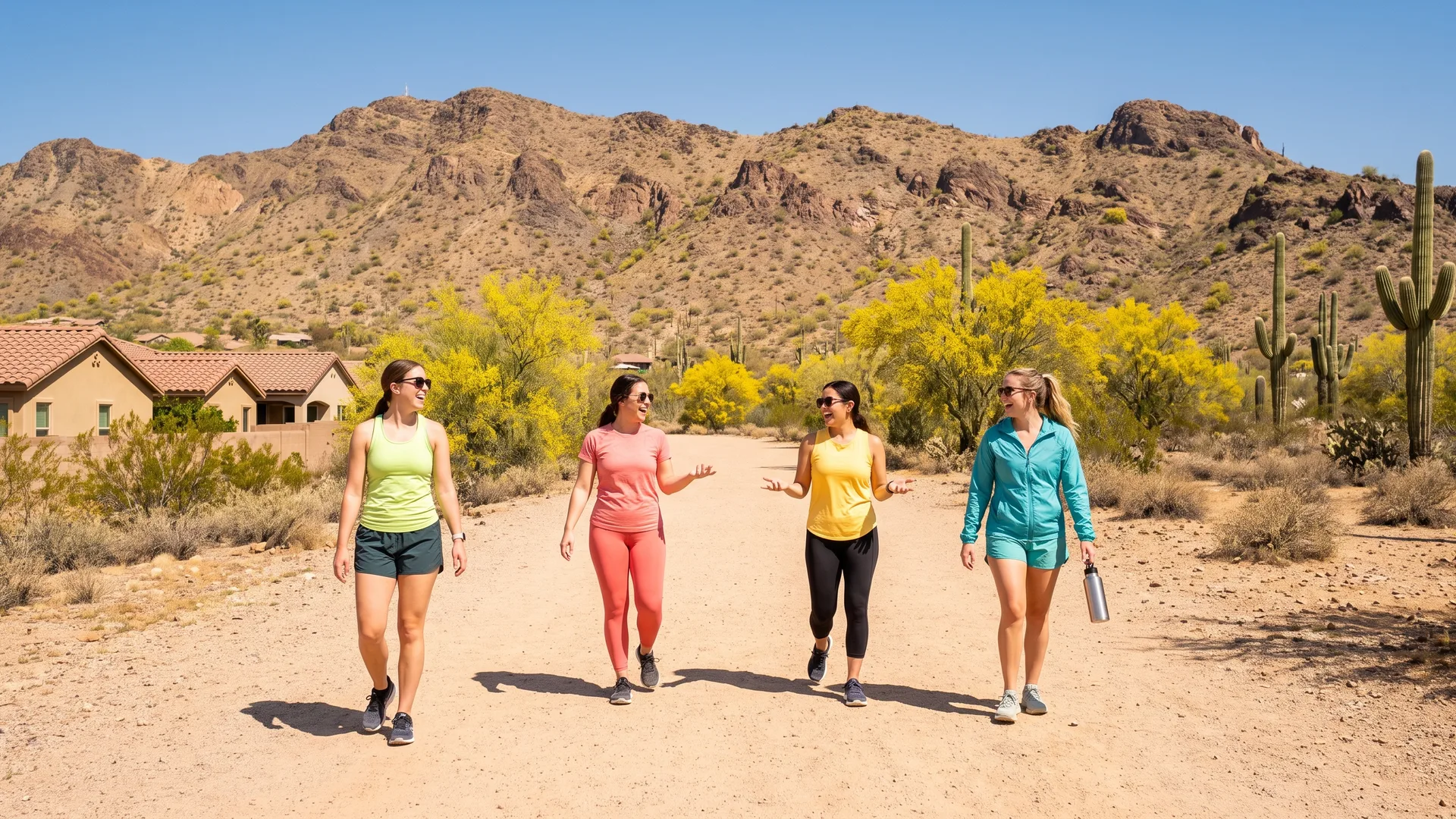
Four friends walking a desert trail in Ahwatukee below the South Mountain ridgeline

After a desert hike

After a summer hike on Camelback, Piestewa Peak, South Mountain or the Superstitions.

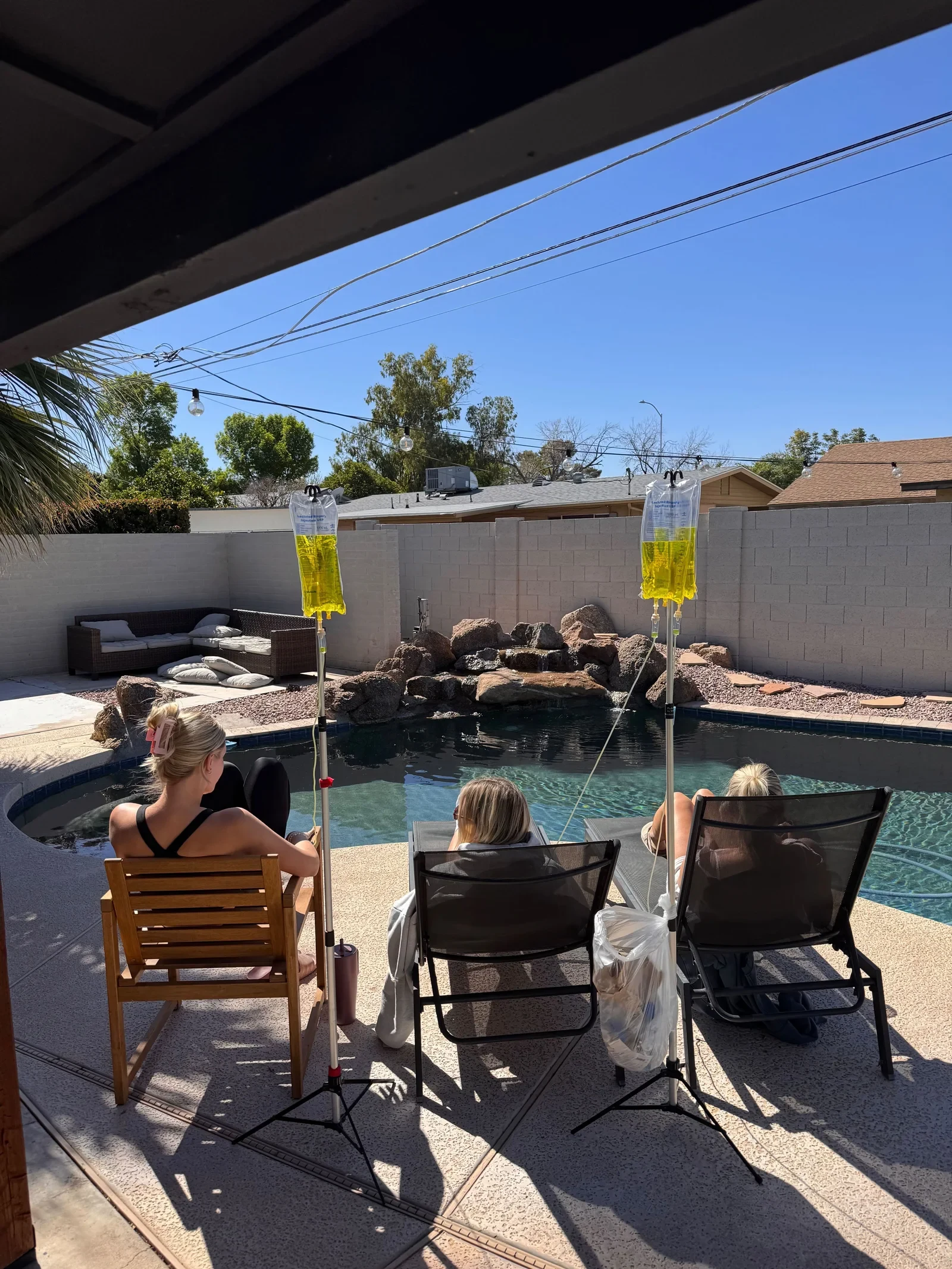
Three people receiving IV treatments on patio chairs beside a Phoenix pool, stands set up on the deck

After a round of golf

After a full round of golf or a tournament in Scottsdale, Gilbert or Chandler.

Friends paddleboarding and kayaking on the blue water of Lake Pleasant near Peoria, desert hills all around

After a day on the water

After a pool day, lake day or boat day at Lake Pleasant or Saguaro Lake.

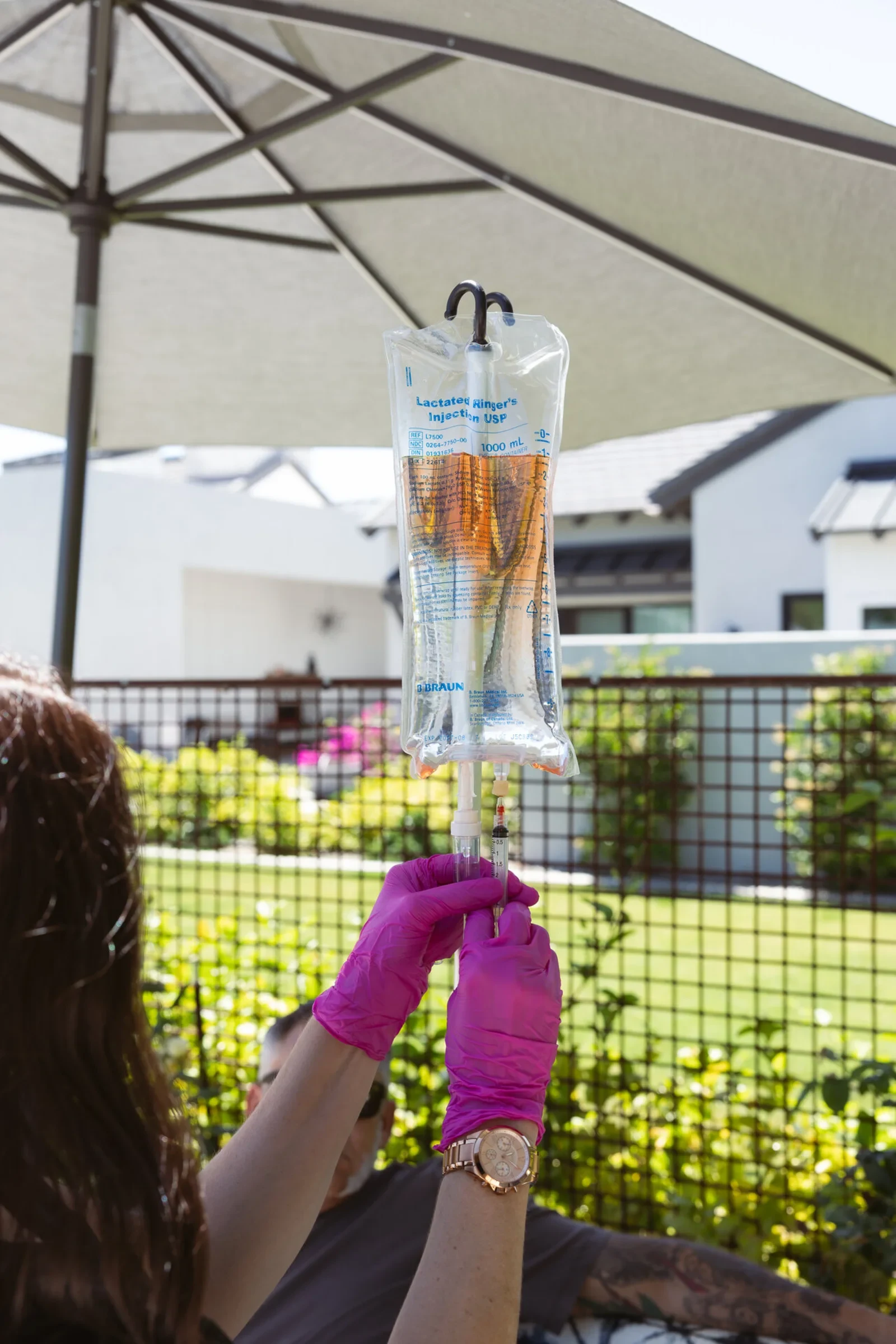
A nurse in pink gloves adjusting a hanging IV bag under a patio umbrella on a bright Phoenix afternoon

After a long stretch outside

After yard work, moving or any long stretch outside in triple-digit heat.

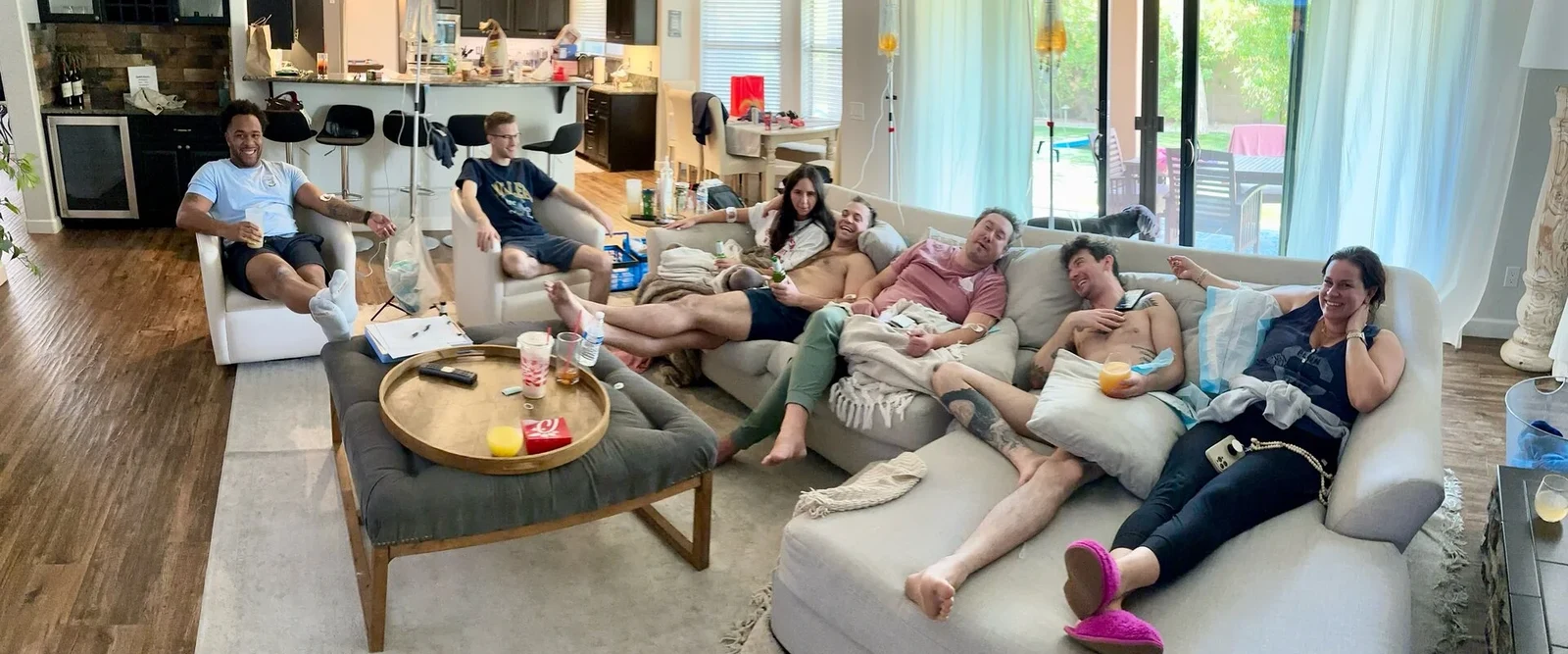
A living room of friends stretched across the sofas of a Phoenix home, each on a drip, stands standing between them

A night out on a hot day

The morning after a night out combined with a hot day, when both alcohol and heat have dehydrated you.

Four friends standing together with iced drinks at a resort pool edge in Paradise Valley, the red cliffs of Camelback Mountain filling the background

Arizona's Dry Heat Dehydrates You Faster Than You Feel

Phoenix, Scottsdale, Mesa, Gilbert, Chandler and Tempe all sit in a low desert climate where summer highs regularly cross 110 F and humidity often drops below 15 percent. In that combination, sweat evaporates off your skin almost instantly, so your clothes stay dry and you never feel wet. Most people take that as a sign they are not sweating much. They are actually sweating more than they would in a humid climate, they just cannot see it. That invisible loss is why an afternoon of golf in Ahwatukee, a Camelback or Piestewa Peak hike out of Paradise Valley, a boat day at Lake Pleasant near Peoria, or a pool party in Fountain Hills can leave you far more dehydrated than you realize. You feel fine while you are out there. The headache, cramping and exhaustion show up two to four hours later, once you are back inside and your body finally has a moment to register the deficit. Summer heat also stacks with the things Arizonans do outside. Rounds of golf that stretch into the late morning, youth sports tournaments in Gilbert and Chandler, long yard work sessions, spring training crowds, bachelor and bachelorette weekends in Old Town Scottsdale, and monsoon-season hikes all pull fluid and electrolytes out faster than most people drink them back. Alcohol at any of these events roughly doubles the loss. Because IV Revival is mobile across the Phoenix metro, a nurse can meet you at your home, your hotel, your Airbnb or your office after a day outside so you do not have to drive anywhere while you feel awful.

Book a Registered Nurse to come to you anywhere in the Phoenix metro, 9 AM to 9 PM, seven days a week.Book Now
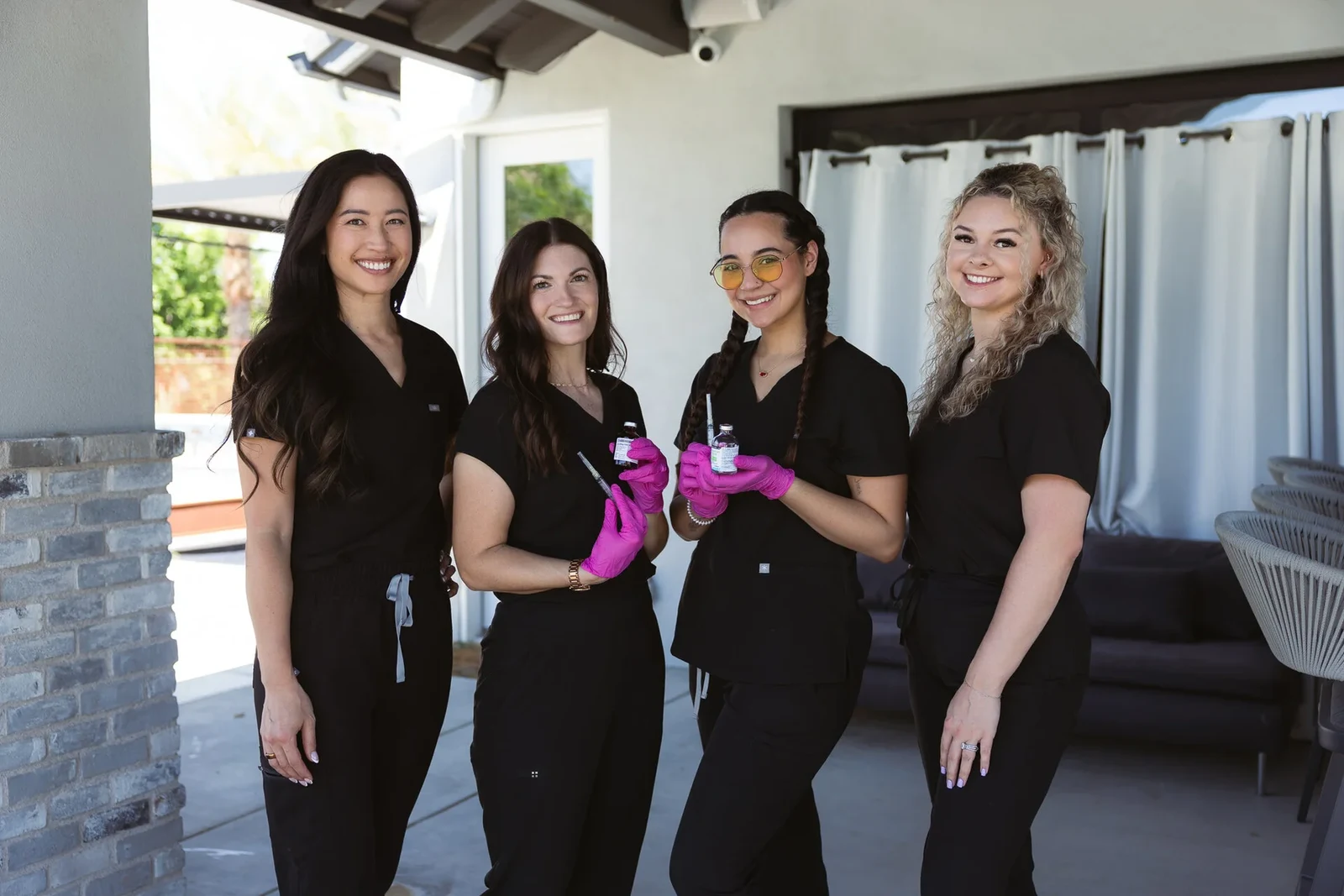
The four IV Revival registered nurses in black scrubs on a shaded Phoenix patio, two of them holding vials

Who Places Your IV

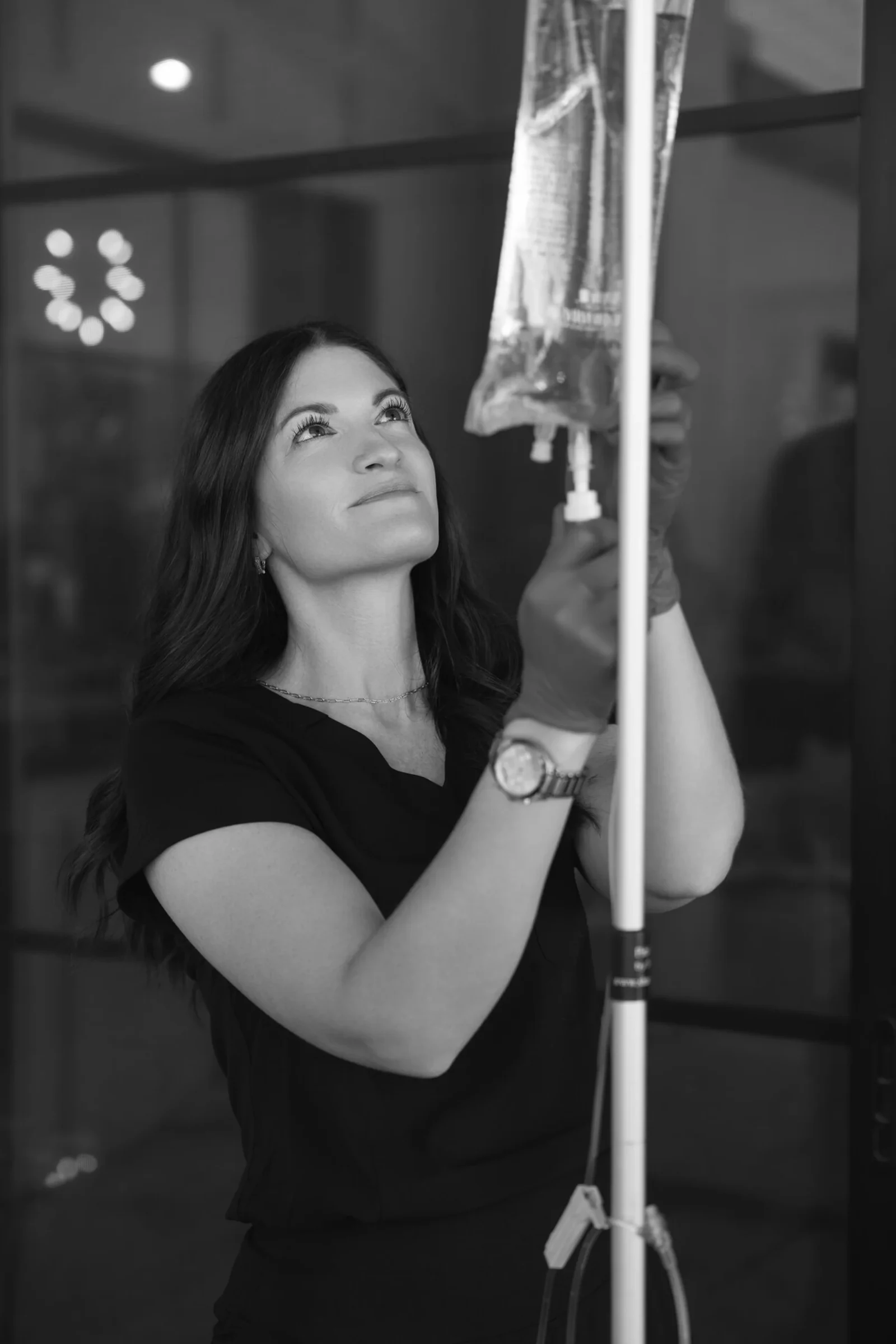
Every IV Revival treatment is placed by an experienced Registered Nurse working under protocols set by our board-certified anesthesiologist medical director.

  • Registered Nurses Only

    Every treatment is placed by an experienced Registered Nurse. Never an EMT, a paramedic or a technician.

  • Board-Certified Medical Director

    Protocols are developed and overseen by Dr. Drew Davenport, a board-certified anesthesiologist with two decades of experience.

  • Founded by Nurse Anesthetists

    IV Revival was started in 2016 by two Nurse Anesthetists who spent their careers placing lines in hospitals and wanted to deliver the same care in a more comfortable setting.

  • Mixed On Site, Not Pre-Packed

    Your bag is mixed on the spot from company-supplied stock according to our medical director's protocols, not pulled from a pre-packaged shelf.

  • Operating Across the Phoenix Metro Since 2016

    Nearly a decade of mobile IV experience serving Phoenix, Scottsdale, Gilbert, Mesa, Chandler, Tempe, Glendale, Paradise Valley, Fountain Hills, Peoria, Ahwatukee and Avondale.

Frequently Asked Questions

How does IV therapy help with heat and dehydration?

The fluids and electrolytes go directly into your bloodstream instead of being absorbed through the stomach. How people respond varies.

How long does the treatment last?

Results vary from person to person. Rehydration through an IV bypasses the gut, and B vitamins and electrolytes support recovery. If you are heading straight back out into the heat the next day, staying ahead of the loss with water and electrolytes still matters.

Can I get IV therapy if I am very nauseous?

Yes. Nausea is often a reason to choose IV over drinking fluids, because the IV bypasses your stomach entirely. A nausea medication can be added to the drip as a $25 add-on.

Is it safe?

IV fluids and vitamins are given in hospitals every day. At IV Revival every treatment is placed by an experienced Registered Nurse under protocols overseen by our board-certified anesthesiologist medical director, Dr. Drew Davenport. Your nurse will review your history and vitals before starting.

Do you accept insurance?

Mobile IV therapy is generally considered elective and is not billed through insurance. Pricing is straightforward and shown up front so you know exactly what your treatment costs before you book.

A registered nurse going through the health history with a client seated on her own sofa, the IV stand ready beside them

Feel like yourself again

Book your visit

CallBook now